
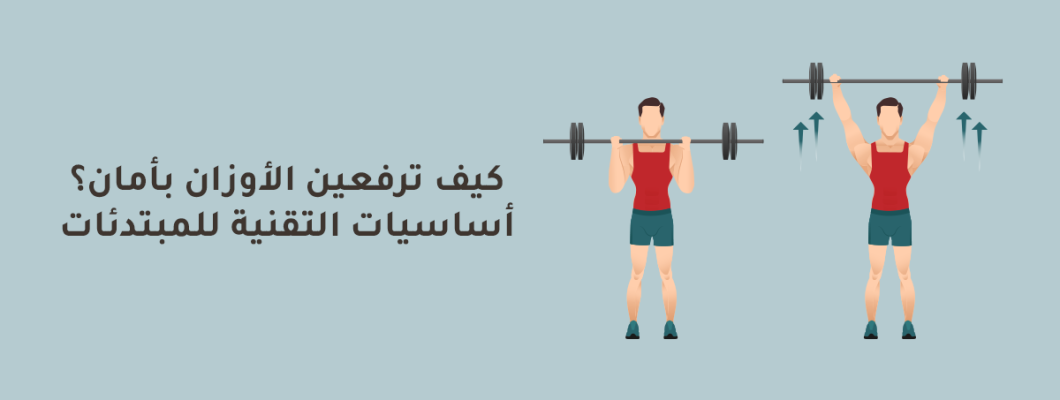
How to Lift Weights Safely: Beginner’s Guide to Proper Technique
Weight training for beginners has become increasingly popular in recent years, especially among women aiming to improve body shape, increase strength, and boost overall health. Despite the many benefits of lifting weights, fear of injury or lack of proper technique often prevents many beginners from starting.
In this comprehensive guide, you’ll learn step by step how to lift weights safely, the essential rules, common mistakes, the best exercises for beginners, and how to build an effective training routine without putting your body at risk.
What Are Beginner Resistance Exercises?
Resistance exercises are those that use external resistance to make your muscles work, such as:
Free weights (dumbbells and barbells)
Bodyweight exercises
Gym machines
Resistance bands
For beginners, the focus is on learning correct movements, gradually strengthening muscles, and building a solid foundation before increasing weights or intensity.
Why Do Beginners Need to Lift Weights?
Contrary to popular belief, lifting weights does not make your body “bulky.” Instead, it offers numerous health and aesthetic benefits:
1. Toning the Body and Improving Shape
Resistance training helps firm the muscles and gives the body a toned, balanced appearance.
2. Strengthening Bones and Preventing Osteoporosis
Lifting weights stimulates bone density, which is particularly important for women.
3. Boosting Metabolism
Muscles burn more calories even at rest, helping with fat loss.
4. Improving Mental Health
Resistance exercises for beginners can reduce stress and increase self-confidence.
Fear of Weightlifting: Is It Justified?
Fear often comes from:
Misinformation
Negative experiences
Lack of proper guidance
The truth is that injuries usually happen due to:
Using inappropriate weights
Poor technique
Skipping warm-ups
Not because of the exercise itself.
Common Mistakes Beginners Make When Lifting Weights
Before learning the correct technique, it’s important to know the most common beginner mistakes:
1. Choosing Weights That Are Too Heavy
Many beginners think heavier weights lead to faster results — this is a common misconception.
2. Skipping Warm-Up
Starting exercises without warming up increases the risk of muscle strain or tears.
3. Performing Movements Too Quickly
Fast movements reduce effectiveness and put extra stress on joints.
4. Poor Posture
Rounding the back or tilting the neck is a major cause of injury.
5. Holding Your Breath
Incorrect breathing can cause dizziness or increased blood pressure.
Fundamentals of Safe Weightlifting for Beginners
1. Choose the Right Weight
The proper weight allows you to:
Perform 10–12 repetitions
Maintain control
Keep proper technique intact
For beginner resistance exercises, quality is more important than quantity.
2. Warm-Up: A Step You Can’t Skip
A proper warm-up should include:
Joint mobility exercises (shoulders, knees, ankles)
Dynamic stretching
Light cardio for 5–10 minutes
Warm-ups improve performance and significantly reduce the risk of injury.
3. Maintain Proper Posture During Exercise
Correct posture is the foundation of safety:
Keep your back straight
Chest up
Engage your core
Feet firmly on the ground
Any posture errors can lead to back or neck injuries.
4. Control Your Movements
A golden rule in beginner resistance training:
Lift weights slowly
Lower weights slowly
Control every movement
Control enhances muscle activation and protects joints.
5. Breathe Properly
Breathing is essential for technique:
Exhale when lifting
Inhale when lowering
Never hold your breath
Best Resistance Exercises for Beginners
Lower Body Exercises
Squats
Lunges
Glute exercises using bodyweight
Upper Body Exercises
Chest exercises with light dumbbells
Back exercises
Shoulder exercises
Core Exercises
Planks
Simple ab exercises without straining the back
These exercises form a solid foundation for any beginner’s resistance training program.
How Often Should Beginners Do Resistance Training?
2–3 times per week
At least one rest day between sessions
Each session: 30–45 minutes
Consistency matters more than intensity.
Feeling Pain: When Is It Normal and When Is It Not?
Normal Pain:
Mild muscle soreness
Fatigue
Slight stiffness after exercise
Abnormal Pain:
Sharp pain
Joint pain
Severe dizziness
If you experience abnormal pain, stop immediately.
The Role of Nutrition in Supporting Beginner Resistance Training
Proper nutrition is essential for results:
Protein to build muscles
Carbohydrates for energy
Healthy fats for hormone health
Stay hydrated
Good nutrition speeds up results and protects the body from fatigue.
Do Beginners Need a Trainer?
Having a trainer at the start can help with:
Learning correct technique
Avoiding injuries
Designing an appropriate program
However, you can also learn safely from reliable sources if a trainer is unavailable.
How to Maintain Consistency
Key factors for success in beginner resistance training:
Set realistic goals
Avoid comparing yourself to others
Track your progress
Enjoy the journey
Frequently Asked Questions for Beginner Resistance Training
Will lifting weights make me bulky?
No. Significant size increase requires intense training and a specific diet.
When will I see results?
Usually within 4–6 weeks with consistent effort.
Can I do these exercises at home?
Yes, using light dumbbells or bodyweight exercises.
Conclusion
Lifting weights is not as dangerous as many believe — in fact, it’s one of the best investments in your health and body. By following the proper fundamentals and progressing gradually, beginner resistance exercises become an effective tool to build a strong, toned, and healthy body without fear of injury.
Start today, confidently, and take steady steps toward a stronger version of yourself.
For more information, click here.
Leave a Comment